The World Health Organization (WHO) has warned that the Ebola outbreak in the Democratic Republic of the Congo (DRC) has become the third-largest on record and is spreading faster than any previous outbreak during its first two months.
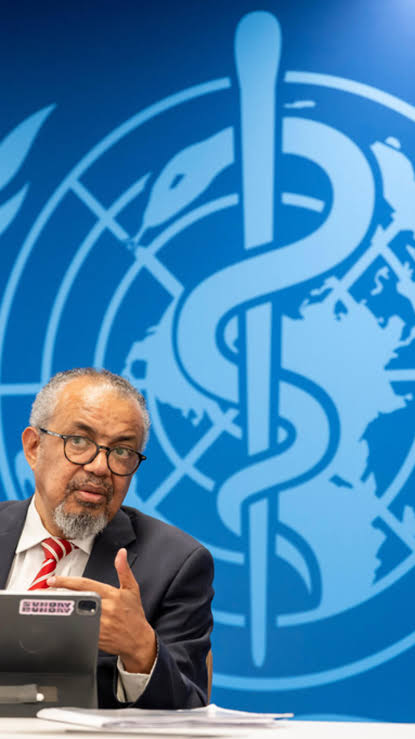
Speaking in Geneva on Thursday, WHO Director-General Dr. Tedros Adhanom Ghebreyesus said the outbreak has now recorded 2,273 cases and 796 deaths, despite ongoing response efforts by the Congolese government, WHO, the Africa Centres for Disease Control and Prevention (Africa CDC), and other partners.
Dr. Tedros said the situation is particularly alarming in Ituri Province, where more than 80 percent of new infections are occurring outside known contact lists, indicating that many transmission chains remain undetected. He added that nearly two-thirds of Ebola-related deaths are happening in communities before patients can access medical care.
The response has also been hampered by insecurity, with an Ebola treatment centre in Bunia recently coming under attack, disrupting efforts to contain the virus.
Despite the challenges, health authorities have expanded treatment capacity to more than 800 beds, increased laboratory facilities from one to 16, and trained over 21,000 community health workers. So far, 377 people have recovered from the disease, highlighting that early diagnosis and treatment can save lives.
Meanwhile, neighbouring Uganda has recorded significant progress after its last confirmed Ebola patient was discharged following two negative tests, beginning the 42-day countdown required before the outbreak can officially be declared over. Uganda has reported 20 confirmed cases and two deaths since declaring its outbreak in May.
WHO is urging the international community to provide additional financial support, warning that its joint Ebola response plan with Africa CDC faces a funding shortfall of more than $400 million. UNICEF has also appealed for more resources, saying only a quarter of the funding needed for its Ebola response has been secured.
Health officials say the outbreak can still be brought under control, but stress that faster action and increased funding are critical to preventing further spread.