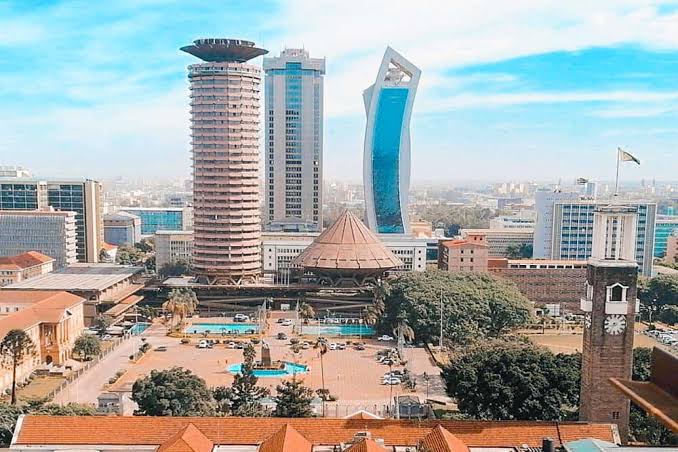
Kenya’s capital, Nairobi, is projected to become Africa’s largest metropolitan region by 2050, overtaking Cairo and Lagos, according to projections by the Africapolis platform developed by the Organisation for Economic Co-operation and Development (OECD).
The report estimates that Nairobi’s metropolitan population will grow from about 15.9 million today to 57.2 million by 2050. In comparison, Cairo is projected to reach 55.5 million residents, while Lagos is expected to have 36.9 million.
The projections are based on the size of continuous built-up urban areas rather than administrative city boundaries, reflecting the rapid pace of urban expansion across the continent.
Nairobi’s growth is being driven by a combination of natural population increase, migration from rural areas, and expanding economic opportunities that continue to attract people from across Kenya and the East African region. The city also hosts a large expatriate community and remains a regional hub for international organisations, finance, technology and innovation.
Often referred to as the “Silicon Savannah,” Nairobi is Kenya’s commercial and financial centre, with its influence extending into neighbouring counties such as Kiambu, Machakos and Kajiado, which together form an increasingly integrated metropolitan region.
To manage the anticipated growth, Nairobi County is implementing new urban planning measures aimed at promoting orderly development. The county’s Development Control Policy, anchored on the Nairobi Integrated Urban Development Master Plan (NIUPLAN), seeks to regulate construction, guide land use and ensure new developments are supported by adequate infrastructure.
The county government is also expanding affordable housing projects as demand for homes continues to rise.
Urban planning experts, however, caution that without sustained investment in transport, housing, healthcare, water, sanitation and other essential services, Nairobi could face increased traffic congestion, overcrowded public facilities and greater environmental pressures. They also warn that climate change could worsen flooding and strain the city’s drainage and other critical infrastructure.