Tensions between Iran and the United States have escalated further after Iran’s Islamic Revolutionary Guard Corps (IRGC) declared that the Strait of Hormuz will remain closed until Washington halts what it described as “acts of aggression.”
The IRGC also warned that it could extend the disruption by shutting down other key oil and gas export routes across the region, raising fresh concerns over global energy supplies.
Meanwhile, the US military’s Central Command (CENTCOM) confirmed it carried out fresh strikes on Iranian targets on Wednesday, following another overnight operation. The military also said its naval forces intercepted and redirected two vessels attempting to pass through its recently reinstated blockade of Iranian ports.
According to CENTCOM, the latest strikes targeted Iran’s coastal defence systems as well as cruise missile storage and launch facilities on Greater Tunb Island. The operation, which lasted about 90 minutes, was aimed at weakening Iran’s ability to threaten commercial shipping in the Strait of Hormuz.
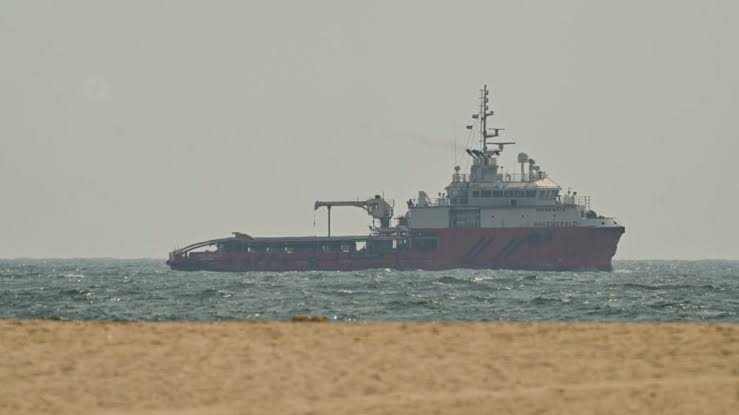
The renewed military confrontation has highlighted the strategic importance of the Strait of Hormuz, one of the world’s busiest oil transit routes. The growing conflict has already disrupted tanker movements through the waterway, sending global oil prices higher amid fears of prolonged supply interruptions.
US President Donald Trump also intensified pressure on Tehran, warning that the United States could target Iran’s bridges and power infrastructure if the country fails to return to negotiations.
“I’ll save the energy targets for last, but ultimately we’ll hit energy targets,” Trump said during an interview with Special Report host Bret Baier that aired on Tuesday.
Trump also indicated that a previously proposed 20 percent toll on vessels using the Strait of Hormuz could instead be replaced by what he described as “massive” trade and investment agreements with Gulf states.
The latest developments underscore the deepening standoff between Washington and Tehran, with growing concerns that continued hostilities could have far-reaching consequences for regional security and the global economy.