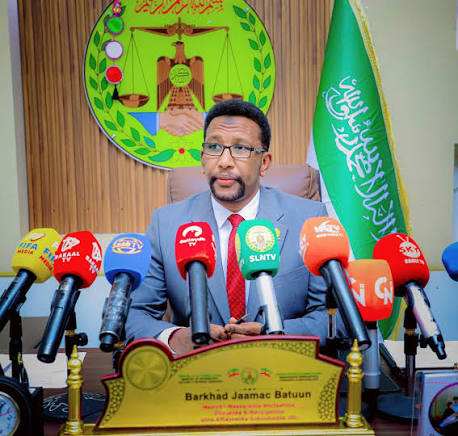
Hargeisa — The government of Somaliland has issued a new directive prohibiting journalists and social media content creators from recording in public spaces, including busy areas such as markets, unless they obtain official permits.
According to the directive, individuals filming or broadcasting in public will be required to present authorization from relevant authorities, a move officials say is aimed at regulating media activity and preventing the spread of “unauthorized or misleading content” in public spaces.
The decision comes shortly after a viral video circulated online showing students in Somaliland discussing the inclusion of Israeli history in school curricula. The footage sparked widespread debate and public controversy, prompting criticism from some officials who argued that unregulated filming in schools and public areas can lead to misinformation and social unrest.
Media professionals and digital creators have expressed concern that the restrictions could limit press freedom and reduce transparency in public life. Some journalists argue that the policy may make it harder to report on daily events, especially in crowded urban centers where much of the news originates.
Authorities have not yet clarified how the permit system will be implemented or what penalties will apply for violations.
The directive has drawn attention across the region, raising broader questions about balancing media regulation, public order, and freedom of expression in the digital age.