
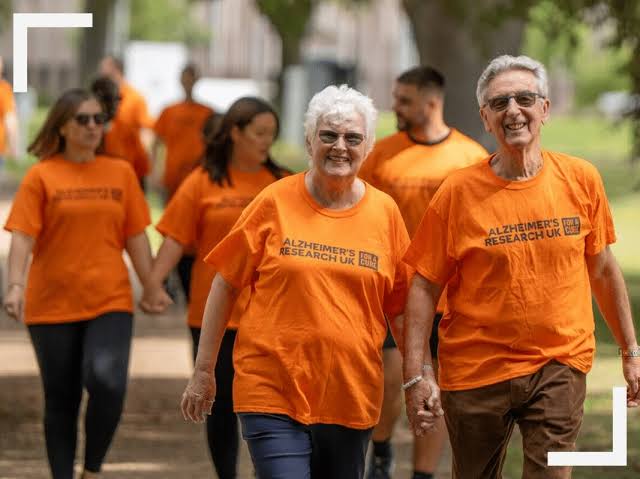
The World Health Organization (WHO) has released updated guidelines aimed at reducing the risk of dementia, saying that nearly 45 percent of cases could be prevented or delayed by addressing modifiable risk factors.
Dementia, a condition caused by diseases affecting the brain, impairs memory, thinking and the ability to carry out daily activities. More than 57 million people are currently living with dementia worldwide, with nearly 10 million new cases diagnosed every year. Alzheimer’s disease remains the most common form, accounting for an estimated 60 to 70 percent of all dementia cases.
According to WHO, there is still no cure for dementia, but adopting healthier lifestyles can significantly reduce the risk. The organization identified smoking, excessive alcohol consumption, physical inactivity, social isolation, air pollution, high blood pressure and diabetes among the leading preventable risk factors.
WHO Director-General Dr. Tedros Adhanom Ghebreyesus said the updated recommendations provide countries with clear, evidence-based actions to help protect brain health and reduce the growing burden of dementia.
The new guidelines encourage regular physical activity, healthy eating, quitting tobacco, reducing alcohol consumption, staying socially active and mentally engaged, and lowering exposure to air pollution. They also emphasize proper management of conditions such as hypertension, diabetes and high cholesterol, while recommending hearing aids where appropriate as part of dementia risk-reduction strategies.
However, WHO advises against the routine use of vitamin B and E supplements, omega-3 fatty acids and multivitamins to prevent dementia in people without diagnosed deficiencies, citing insufficient evidence that they provide meaningful benefits.
Beyond its health impact, dementia places a significant emotional and financial burden on families and caregivers. WHO estimates the condition costs the global economy US$1.3 trillion annually, with nearly half of that cost resulting from unpaid care provided by relatives and friends.
The agency says early action and healthier lifestyles can help people maintain cognitive health, improve quality of life and reduce the global impact of dementia in the years ahead.