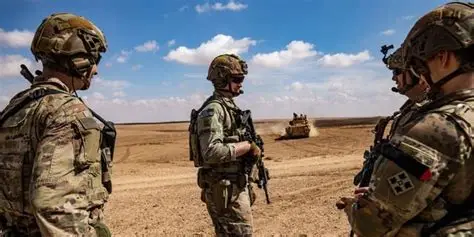
The United States has withdrawn most of the troops it deployed to support a joint counterterrorism operation in northeastern Nigeria, following a mission that dealt a significant blow to Islamic State-linked militants in the region.
The operation targeted insurgents operating in northeastern Nigeria, an area that has for years been a stronghold of the Boko Haram extremist group and its breakaway faction, the Islamic State West Africa Province (ISWAP).
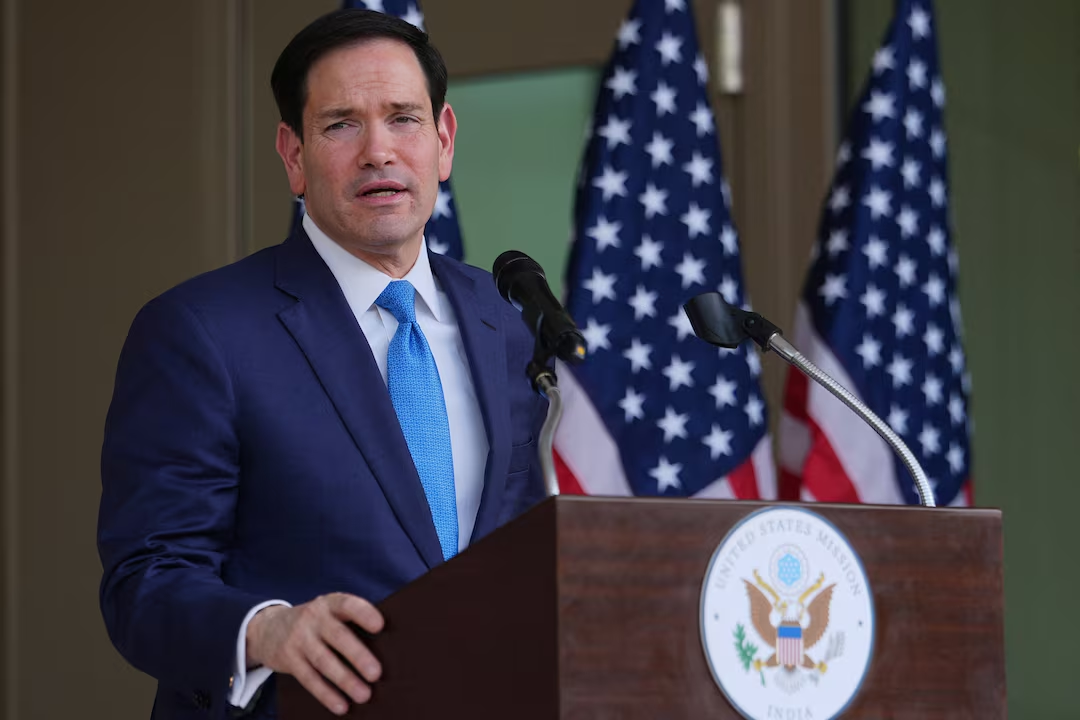
Speaking during a conference of African defence chiefs in Luanda, Angola, US Africa Command General Dagvin Anderson confirmed that the majority of American personnel involved in the operation had returned home.
“We have withdrawn much of our forces that were just there for that operation,” Anderson said, adding that the United States would continue supporting Nigeria through intelligence sharing and other forms of security cooperation requested by Abuja.
The deployment began in February when Washington sent a small contingent of troops to assist Nigerian forces with intelligence, logistics, and specialised training. The mission later expanded beyond an advisory role and culminated in a series of operations against ISWAP.
According to US officials, the joint operation resulted in the killing of Abu Bilal al-Minuki, a senior Islamic State leader, while also eliminating 175 fighters. Security forces also destroyed militant checkpoints, weapons caches, logistics hubs, military equipment and financial networks used to sustain the group.
The troop drawdown comes as Washington reshapes its military strategy in Africa, placing greater emphasis on supporting African-led operations instead of maintaining large numbers of US troops on the ground.
Despite the reduction in personnel, the United States says it remains committed to helping Nigeria tackle terrorism through intelligence cooperation, surveillance capabilities and specialised military support.
The shift comes at a time when extremist groups continue to expand their activities across the Sahel, Somalia and northeastern Nigeria, while Russia and China increase their influence across the continent.
James Barnett, a research fellow at the Hudson Institute who specialises in conflict and militancy in Africa, said the US approach to counterterrorism has remained largely consistent despite the troop reduction.
According to Barnett, Washington continues to prioritise supporting capable African security forces while remaining prepared to carry out targeted military operations against Islamic State networks when necessary