UN warns of worsening global humanitarian strain as conflicts, climate shocks and funding shortfalls converge
By xiom
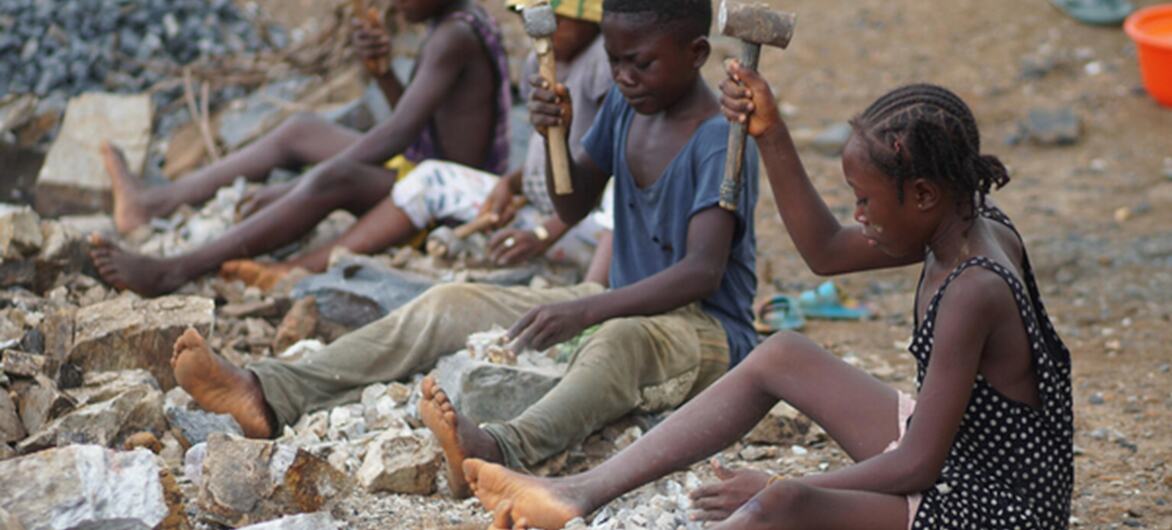
The United Nations is warning that a widening mix of armed conflicts, climate-related disasters and declining humanitarian funding is pushing global relief systems toward a breaking point, leaving millions of people at increasing risk of hunger, displacement and disease.
In a recent update, UN agencies said humanitarian needs have continued to rise across multiple regions even as available funding has fallen, forcing aid organizations to scale back or suspend critical programs in several countries.
The World Food Programme said funding gaps are now forcing “impossible choices,” with reductions in food assistance and nutrition support programs in some of the world’s most vulnerable communities. Officials say millions of people who previously depended on regular aid are now receiving reduced rations or no assistance at all.
Health systems strained in conflict zones
The World Health Organization and UNICEF warned that health systems in conflict-affected areas are under severe pressure, with hospitals damaged, supply chains disrupted and medical staff facing shortages of essential supplies.
In several regions, including parts of Africa and the Middle East, agencies report growing gaps in maternal care, emergency services and vaccination programs, as fuel shortages and insecurity limit access to health facilities.
Humanitarian workers say the collapse of basic services in some areas is compounding already fragile conditions, leaving civilians increasingly dependent on overstretched aid networks.
Climate shocks adding to global pressure
UN climate and disaster agencies also point to intensifying weather extremes, including floods, droughts and heatwaves, as a key driver of rising humanitarian needs.
While early warning systems have improved in some regions, officials say major gaps remain in developing countries, where limited infrastructure and funding reduce the ability to prepare for or respond to disasters.
Multiple crises, shrinking resources
The UN says the combination of conflict, climate shocks and funding shortages is creating a “perfect storm” for humanitarian operations, with needs expanding faster than global contributions.
Agencies warn that without sustained political solutions to ongoing conflicts and increased financial support from donor countries, aid organizations may be unable to meet basic needs in the coming years.
Outlook
The United Nations says the current trajectory risks deepening global instability, with more people falling into long-term displacement and food insecurity if support systems continue to weaken.
Officials are urging renewed international commitment to humanitarian funding and conflict resolution efforts, warning that the consequences of inaction will be felt most acutely in already vulnerable regions.